3 minutes to read
Sping builds tour guide with artificial intelligence
Sping is developing an AI-powered chatbot tour guide for Highlight Delft 2024, using large language models to provide personalised answers to visitor questions about artworks.
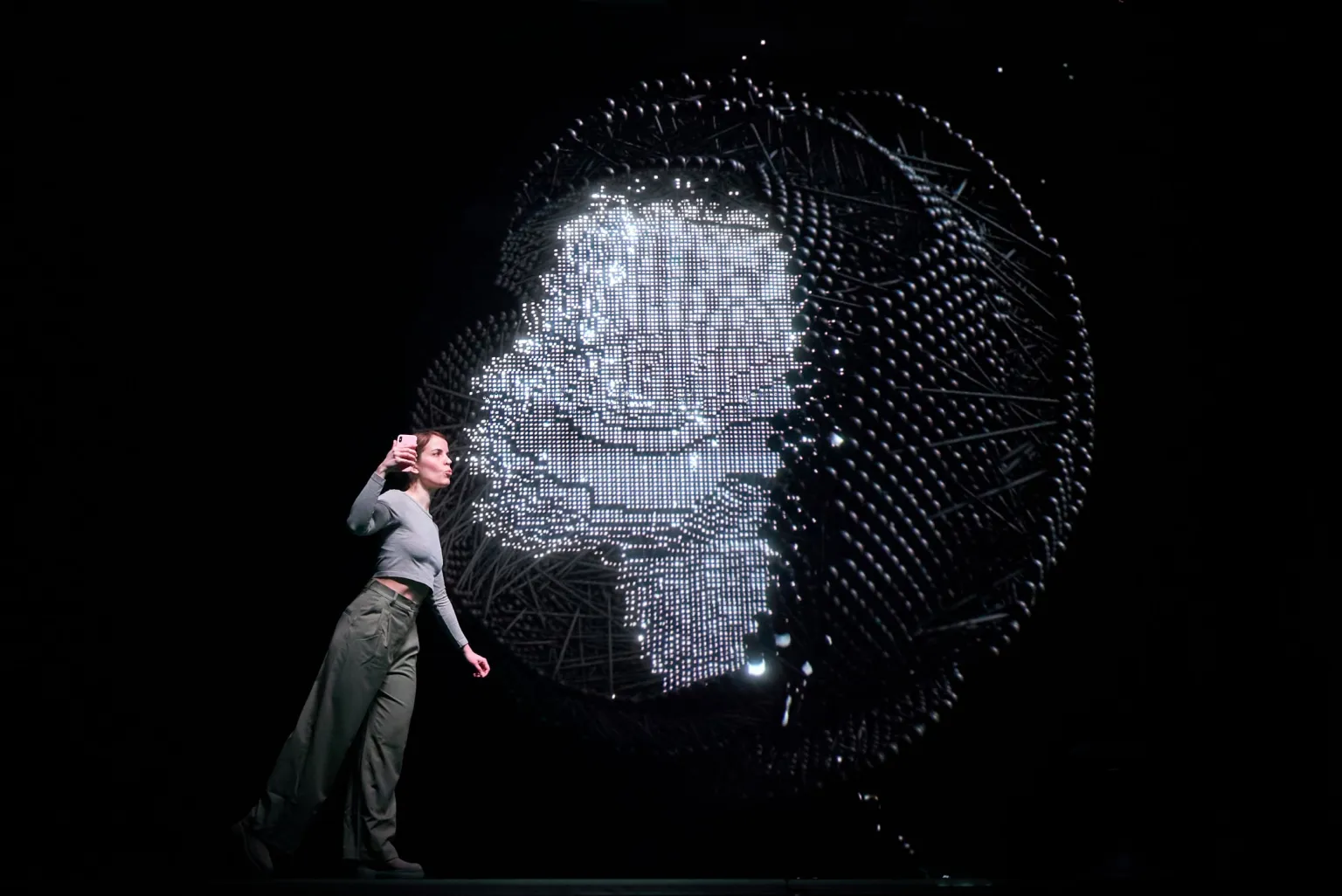
Highlight Delft 2024
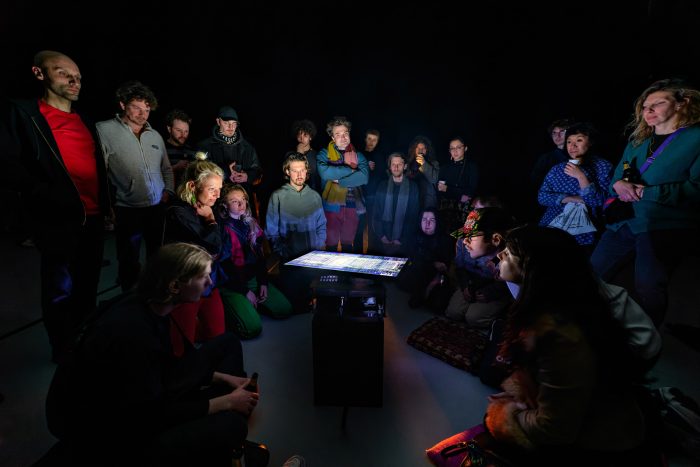
Highlight Delft is Delft’s innovative art and technology festival that uses art, science and technology to shape the future for the general public. During the festival, visitors experience a special fusion of science, innovation and creativity across three evenings. As Digital Lab, Sping is sponsoring the festival for the second year in a row with an innovative project.
“Highlight Delft is a fantastic opportunity to experiment. This is because the technological festival is ahead of the future; artists show things that do not exist today, but will be possible in the future,” says Jan Gerard Snip, CEO/Founder of Sping.
Playing with creative innovations
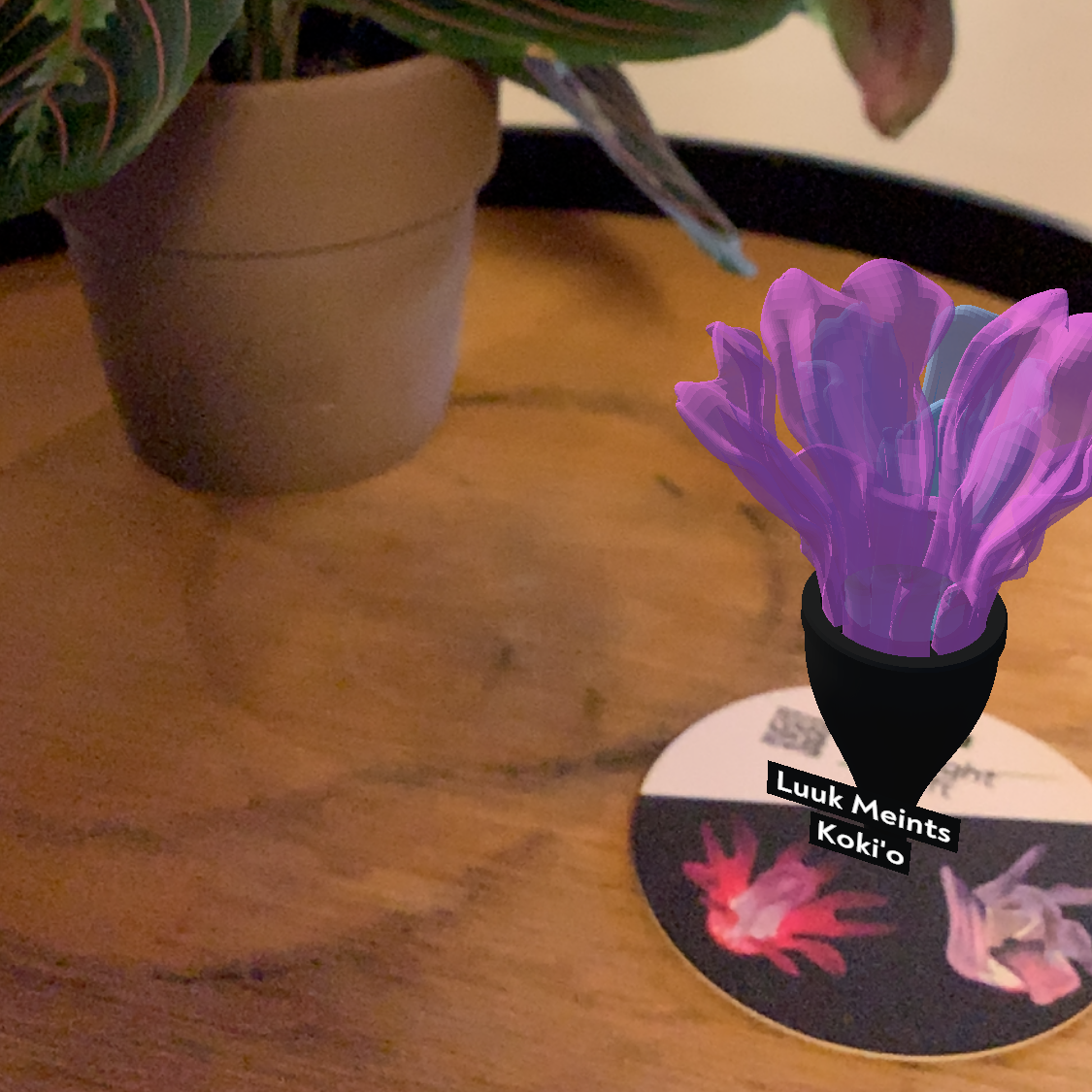
In 2023, Sping developed special beer mats for the festival using augmented reality. By scanning a QR code on the beer mat with a phone’s camera, artworks came to life as miniature 3D versions.
Key role with a personal AI guide
As Digital Lab, Sping translates creative innovations into practical business applications. The company previously built the precursor to WhatsApp with Nimbuzz and developed Virtual Reality applications for inspection processes. Now, Sping is exploring artificial intelligence.

Highlight Delft approached Sping again for this year’s festival contribution. Programmer Simon Aerts of Highlight Delft explains: “Our festival collaborates with various Delft tech companies, educational and research institutions. Last year the beer mats were a nice extra at the festival. But this year, Sping’s innovation plays a key role: developer Kris is building an artificially intelligent tour guide. The AI guide makes it personal and answers the questions you have at that moment through a chatbot.”
The chatbot is based on a large language model. According to Kris, “When Highlight Delft approached us for an innovation, I immediately thought of a large language model. This technology has only been around for a few years. There are already several applications, but as a personal tour guide I haven’t seen it yet. So it is a real innovation and we see a lot of potential for other festivals, museums and cultural events.”
The ‘human’ side of AI
The AI tour guide aligns with Highlight Delft’s theme: “Do you see what I see?” The festival addresses perception and the distinction between reality and manipulation.
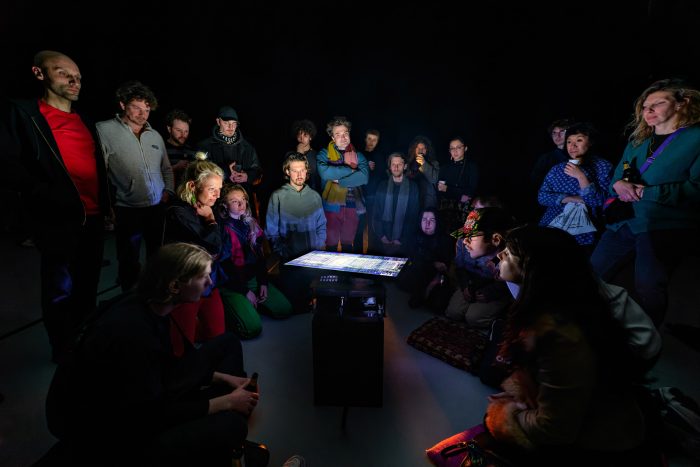

This raises important considerations about AI-generated information. “We feed the AI-tourguide chatbot with information. In addition, the chatbot uses information from the Internet; it is similar to Chat-GPT. And not everything on the Internet is true. Humans have yet to learn this. No matter how convincing information comes across from an AI tool, it is not always correct,” Kris explains.
The AI tour guide is therefore given a human character, with planned honesty about uncertainty. Simon and Kris are developing a personality for the chatbot. “A name and character are important for a chatbot. That way people get the feeling that they are asking questions to a person. And they better understand that the chatbot tries really hard, but also makes mistakes sometimes,” Kris says.
The AI tour guide will be available at Highlight Delft from February 15-17, 2024.